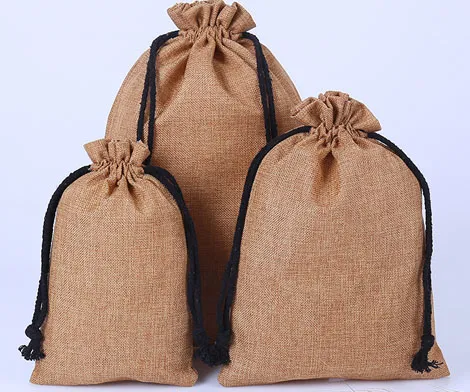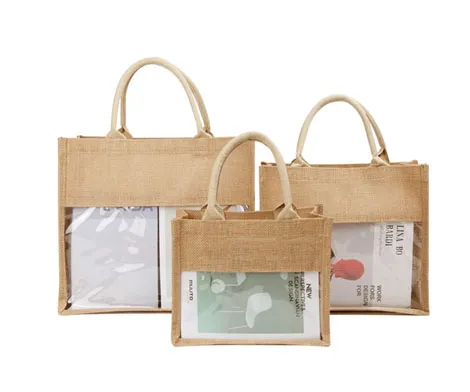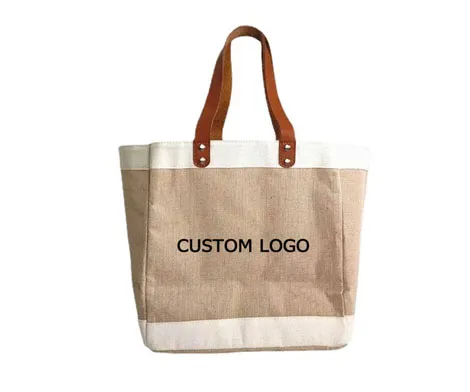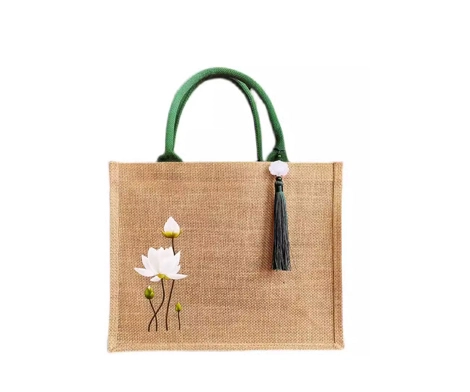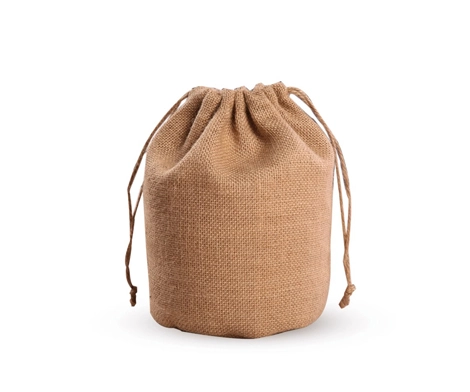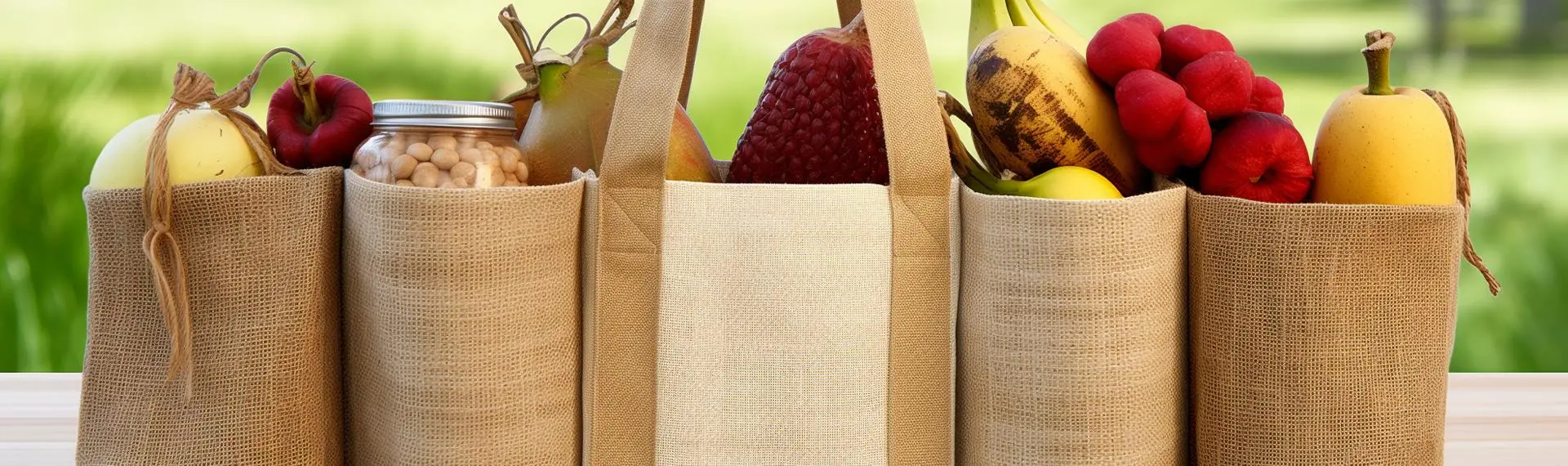
Crafted from natural and sustainable jute fiber, our Jute Shopping Bags are the epitome of eco-friendliness. These bags boast a distinctive textured appearance and are renowned for their exceptional strength and durability. Designed to withstand heavy loads, they are perfect for grocery shopping or carrying various items. Embrace the natural and rustic charm of jute with environmentally conscious Jute Shopping Bags from Chenfa reusable bag manufacturer, a choice that enables you to reduce your carbon footprint and make a positive impact on the planet.
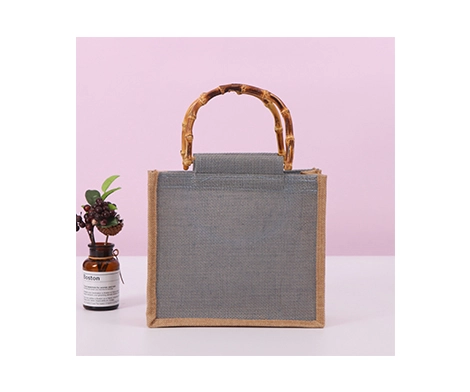
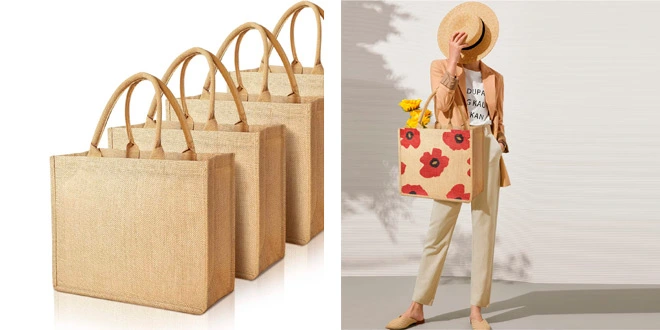
1. Eco-Friendly: Jute shopping bags are made from a renewable and biodegradable plant fiber, reducing the use of plastic bags and minimizing environmental impact.
2. Durability: Jute is known for its strength and durability, making jute shopping bags a long-lasting option that can withstand heavy loads and frequent use.
3. Versatility: Jute shopping bags come in various sizes and styles, suitable for different shopping needs. They are spacious enough to carry groceries, clothing, or other items, providing convenience for daily use.
4. Sustainability: Jute is a sustainable crop that requires minimal pesticide use and water compared to other fiber crops. Choosing jute shopping bags supports sustainable agriculture practices.
5. Reusability: Jute shopping bags are reusable, eliminating the need for single-use plastic bags. By using jute bags repeatedly, consumers can reduce waste and contribute to a cleaner environment.
6. Style: Jute shopping bags have a natural and rustic aesthetic, adding a unique touch to your shopping experience. They are increasingly recognized as a fashionable and eco-conscious choice.

"I recently purchased a jute shopping bag and I couldn't be happier with my decision. Not only is it an eco-friendly choice, but the bag is also incredibly durable. I've been using it for my grocery shopping and it can easily hold a substantial amount of weight without any signs of strain. The jute material gives it a unique and rustic look that I love. It's also very spacious, allowing me to fit all my groceries comfortably. I highly recommend jute shopping bags for anyone looking for a sustainable and stylish alternative."
Recycling
Many areas have dedicated recycling programs for jute bags. Check with your local recycling facilities to see if they accept jute bags and, if so, follow their guidelines for proper recycling. Some stores also have designated collection bins for jute bag recycling.
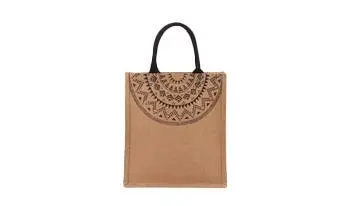
Reuse
Instead of disposing of jute shopping bags after a single use, consider reusing them. Jute bags can be used for various purposes like carrying lunch, storing items. By reusing the bags, you extend their lifespan and reduce the need for new jute bags.
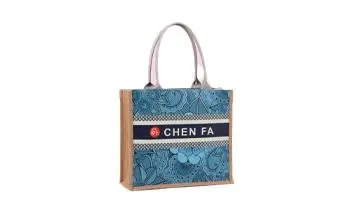
Return to Store
Some stores have programs in place to collect used jute bags for recycling. Look for inquire with the store staff if they accept jute bags for recycling. Returning the bags to the store ensures they are responsibly managed and recycled.
Remember, increasing the use of jute bags altogether is the most sustainable option. Incorporating reusable bags into your shopping routine helps minimize waste and contribute to a more sustainable future.

The key differences lie in material, texture, and aesthetic. Jute is made from fibers of the jute plant, a 100% natural, coarse fiber known for its distinctive, rustic texture and natural hues like tan and oatmeal, offering an “earthy” or “organic” look with excellent breathability. Canvas is typically made from cotton, has a smoother, tighter weave, a wider color range, and a softer hand-feel. Jute’s eco-credentials and unique texture are its standout features.
Yes, jute is widely recognized as one of the most eco-friendly materials. Here’s why: 1) Renewable & Fast-Growing: Jute has a short growth cycle (~4-6 months) and requires far less water and pesticides than cotton. 2) Biodegradable: It decomposes completely in soil, leaving no microplastic pollution. 3) High Carbon Sequestration: It absorbs significant CO2 during growth. 4) Reusable: One sturdy jute bag can replace countless plastic bags. Choosing jute is a proactive choice for the planet.
Extremely durable. Jute fibers possess very high tensile strength, making the bags exceptionally tough and resistant to tearing. Their weight-bearing capacity is typically superior to cotton canvas of similar thickness, making them ideal for carrying heavy items like books or groceries. Note that its durability comes from the strength of the fiber, not the softness of the fabric, so it may feel stiffer but is very reliable.
Care is essential to maintain its longevity. Never machine wash or soak a jute bag, as this can stiffen the fibers, cause distortion, or lead to discoloration. Recommended cleaning: 1) For dry dirt, use a soft brush or dry cloth to dust or pat it clean. 2) For spots, gently dab with a slightly damp cloth and immediately blot dry with another cloth. Always air dry away from direct sunlight or heat in a well-ventilated area. Part of jute’s charm is its natural, lived-in look; minor marks are part of its story.
Yes, it is excellent for printing and creates a unique artisanal effect. The natural, coarse texture and light tan background of jute combine with prints to produce a rustic, vintage, handcrafted look. Screen printing works particularly well, with vibrant colors standing out beautifully against the textured surface. Note that due to the texture, extremely fine details (like tiny text) may not be as sharp as on smooth fabrics. This is part of jute’s character—it delivers a natural, organic brand impression.
The key differences lie in material, texture, and aesthetic. Jute is made from fibers of the jute plant, a 100% natural, coarse fiber known for its distinctive, rustic texture and natural hues like tan and oatmeal, offering an “earthy” or “organic” look with excellent breathability. Canvas is typically made from cotton, has a smoother, tighter weave, a wider color range, and a softer hand-feel. Jute’s eco-credentials and unique texture are its standout features.
Yes, jute is widely recognized as one of the most eco-friendly materials. Here's why:
1) Renewable & Fast-Growing: Jute has a short growth cycle (~4-6 months) and requires far less water and pesticides than cotton.
2) Biodegradable: It decomposes completely in soil, leaving no microplastic pollution.
3) High Carbon Sequestration: It absorbs significant CO2 during growth.
4) Reusable: One sturdy jute bag can replace countless plastic bags. Choosing jute is a proactive choice for the planet.
Care is essential to maintain its longevity. Never machine wash or soak a jute bag, as this can stiffen the fibers, cause distortion, or lead to discoloration. Recommended cleaning:
1) For dry dirt, use a soft brush or dry cloth to dust or pat it clean.
2) For spots, gently dab with a slightly damp cloth and immediately blot dry with another cloth. Always air dry away from direct sunlight or heat in a well-ventilated area. Part of jute’s charm is its natural, lived-in look; minor marks are part of its story.
Yes, it is excellent for printing and creates a unique artisanal effect. The natural, coarse texture and light tan background of jute combine with prints to produce a rustic, vintage, handcrafted look. Screen printing works particularly well, with vibrant colors standing out beautifully against the textured surface. Note that due to the texture, extremely fine details (like tiny text) may not be as sharp as on smooth fabrics. This is part of jute’s character—it delivers a natural, organic brand impression.
Extremely durable. Jute fibers possess very high tensile strength, making the bags exceptionally tough and resistant to tearing. Their weight-bearing capacity is typically superior to cotton canvas of similar thickness, making them ideal for carrying heavy items like books or groceries. Note that its durability comes from the strength of the fiber, not the softness of the fabric, so it may feel stiffer but is very reliable.

 English