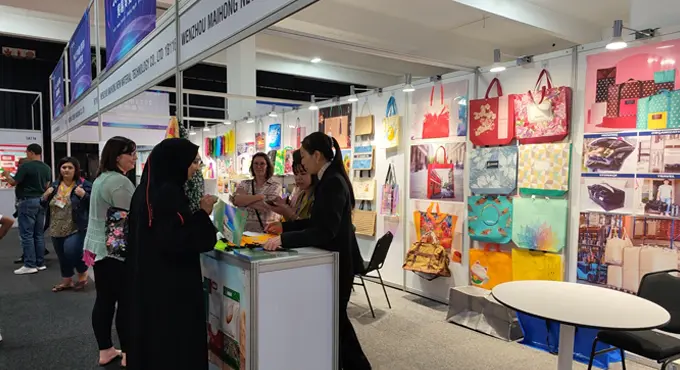
For supermarkets, convenience stores, bakeries, pharmacies, retail chains, takeout brands, and promotional buyers, plastic grocery shopping bags are more than simple packaging — they are mobile advertising spaces that travel through streets, offices, homes, and communities with every customer who carries them from the checkout counter into their daily life. In 2026, as retail competition intensifies and the cost of digital advertising continues to rise, forward-thinking retailers and brand managers are recognizing that the plastic grocery bag — an item that every customer takes home, reuses, and carries in public — is one of the most cost-effective and highest-frequency brand contact points available in the retail marketing toolkit, delivering brand impressions at a cost per exposure that most paid advertising channels cannot match.
The difference between a plain, unbranded plastic grocery bag and a custom-printed bag with a vivid logo, strong brand colors, a clear marketing message, and a QR code that guides customers to an online reorder page is the difference between packaging that disappears from the customer's awareness the moment they leave the store and packaging that continues to advertise the brand, communicate the campaign message, and drive repeat purchases every time the customer reuses the bag or another person sees it in public. By working with experienced shopping plastic bags manufacturers like Chenfa Bags, businesses can source custom printed grocery bags wholesale with stable quality, vivid gravure printing, and reliable bulk production for daily retail operations and promotional campaigns — transforming a routine packaging cost into a measurable marketing investment.
This guide covers the complete picture for retail buyers, brand managers, and procurement teams: why plain packaging wastes marketing potential, what makes a custom plastic grocery bag a marketing tool, how gravure printing creates vivid and durable branding, how to evaluate bag components for load performance and print quality, and what design and procurement practices maximize the marketing ROI of custom plastic grocery shopping bags.
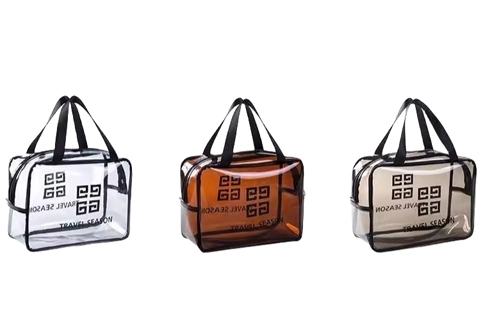
The marketing ROI case for investing in custom-printed plastic grocery shopping bags starts with a clear understanding of the specific brand exposure and customer recall opportunities that plain, unbranded packaging wastes — and why each missed opportunity has commercial consequences that accumulate across every bag distributed, every customer served, and every day of retail operation.
Zero brand recognition after the purchase moment is the most commercially damaging consequence of plain, unbranded plastic grocery bags — because the customer leaves the store with your products but without any visual reminder of your brand. In a competitive retail environment where customers visit multiple stores and make purchasing decisions based on brand familiarity and recall, a plain bag that carries no logo, no color identity, no slogan, and no call-to-action eliminates the brand impression that should follow the customer from the checkout counter through the street, into the home, and back to the store for the next purchase.
Missed local street advertising from customer carry is the outdoor advertising opportunity that most directly distinguishes custom-printed plastic grocery bags from every other form of retail packaging. When a customer carries a branded bag through a shopping district, public transport system, office building, or residential neighborhood, the bag creates brand impressions for every person who sees it — creating a local advertising effect that reaches exactly the geographic audience most likely to become customers of a neighborhood retail store, at zero additional cost beyond the bag itself.
No digital conversion path from offline purchase is the online marketing opportunity that most directly affects repeat purchase rates in 2026's omnichannel retail environment. A plain bag provides no mechanism for guiding the customer from the offline purchase experience to the online store, membership program, coupon page, or reorder platform that drives repeat purchases and customer lifetime value. A custom-printed bag with a QR code transforms every checkout interaction into a potential digital conversion event — creating a trackable path from offline brand exposure to online customer engagement.
Understanding what a custom plastic grocery shopping bag is — and how its printed logo, brand colors, marketing message, QR code, and bulk purchasing economics work together to create a marketing tool that delivers brand impressions at a cost per exposure that most paid advertising channels cannot match — is essential for retail buyers and brand managers evaluating packaging specifications for marketing ROI.
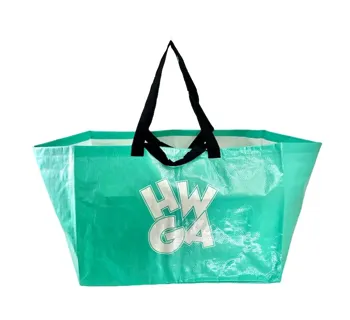
Plastic grocery shopping bags are flexible retail carry bags used for groceries, packaged goods, daily necessities, food items, pharmacy products, convenience store purchases, and promotional merchandise. When customized with logos, patterns, slogans, QR codes, and brand colors through high-quality gravure printing, they become both functional packaging and a portable marketing channel that follows the customer outside the store and into the public spaces where brand impressions are created.
Marketing Value = Number of Bags Distributed × Average Views per Bag × Brand Recall Potential
If a store distributes 10,000 custom printed bags in one month and each bag is seen by only five people during its use life, that creates approximately 50,000 potential brand impressions — at a cost per impression that is a fraction of the cost of equivalent digital or outdoor advertising. When the bag includes a QR code that guides customers to a coupon page or online reorder platform, it also generates trackable digital traffic that allows the marketing value to be measured directly.
Bulk purchasing of custom logo plastic bags creates the unit cost efficiency that makes the marketing investment commercially viable for retail operations of all sizes — because the fixed costs of artwork preparation, printing cylinder engraving, and production setup are spread across a larger quantity, reducing the unit cost while maintaining the print quality and brand consistency that the marketing application requires. For retail chains and franchise operations, bulk purchasing also ensures consistent brand presentation across all locations — eliminating the color variation, logo inconsistency, and quality differences that undermine brand identity when different locations source bags independently.
The technical mechanism by which high-precision gravure printing creates the sharp logos, vivid colors, consistent batch quality, and durable ink adhesion that custom plastic grocery bags require to function effectively as mobile billboards — and why print quality is the specification that most directly determines whether the bag enhances or damages the brand it carries — is the core production knowledge that retail buyers and brand managers need to evaluate shopping plastic bags manufacturers for custom printing programs.
Gravure printing uses engraved copper cylinders to transfer ink onto plastic film with high precision — creating the sharp logo detail, smooth color gradients, strong color saturation, and consistent batch-to-batch reproduction that high-volume custom plastic bag production requires. Unlike lower-precision printing methods that can produce blurry logos, uneven color, and inconsistent results across large production runs, gravure printing delivers the professional print quality that makes a custom plastic grocery bag look like a premium brand asset rather than a cheap promotional item.
Chenfa Bags' high-precision copper plate gravure printing is positioned for buyers who need vivid logo color, strong visual consistency, and reduced risk of fading or poor print presentation — providing the print quality assurance that retail chains, franchise operations, and brand-conscious retailers require for their packaging programs.
| Print Quality Factor | Mobile Billboard Impact |
|---|---|
| Logo sharpness | Determines brand recognition at a distance |
| Color saturation | Makes the bag more visible and memorable in public |
| Ink adhesion | Prevents fading that degrades brand image during reuse |
| Print registration | Keeps multi-color artwork aligned for professional appearance |
| Batch consistency | Critical for chain stores maintaining unified brand identity |
| QR code readability | Determines whether the digital conversion path functions |
Adding a QR code to a custom plastic grocery bag transforms it from passive packaging into an interactive marketing tool that creates a direct path from the offline purchase experience to the online customer engagement platforms that drive repeat purchases and customer lifetime value. Recommended QR code destinations include online store homepages, product reorder pages, membership registration pages, coupon landing pages, seasonal campaign pages, and loyalty rewards programs — with the specific destination chosen based on the retailer's primary marketing objective for the campaign.
For maximum QR code conversion effectiveness, the code should be large enough to scan easily, placed on a flat and visible area of the bag, accompanied by a clear callout such as "Scan for Coupons" or "Scan to Reorder," and linked to a mobile-optimized landing page that loads quickly and guides the customer to the desired action with minimal friction.
The systematic evaluation of plastic grocery shopping bag components — material, thickness, handle type, bag size, printing method, and design — against the requirements of the specific retail application is the technical procurement knowledge that ensures the selected bag delivers the load performance, print quality, and marketing impact that the application requires.
| Component | What to Evaluate | Marketing and Performance Impact |
|---|---|---|
| Plastic material | HDPE, LDPE, or custom structure | Affects strength, feel, and print surface quality |
| Thickness | Micron or gauge specification | Determines load capacity and durability for reuse |
| Bag size | Width, height, gusset dimensions | Must match product volume and retail environment |
| Handle type | T-shirt, die-cut, or soft loop | Affects user comfort and retail brand positioning |
| Bottom seal | Heat seal strength specification | Prevents breakage that damages brand perception |
| Printing method | Gravure or alternative methods | Determines logo quality and batch consistency |
| Color design | Brand color accuracy and saturation | Supports identity recognition and mobile billboard impact |
| QR code placement | Scannability and visibility | Determines digital conversion effectiveness |
| Bag Type | Best Retail Application | Marketing Positioning |
|---|---|---|
| T-shirt plastic grocery bags | Supermarkets, convenience stores, grocery chains | High-volume daily branding |
| Die-cut handle bags | Boutiques, pharmacies, promotional retail | Premium retail brand positioning |
| Soft loop handle bags | Apparel, gift packaging, premium retail | Luxury brand packaging experience |
| Printed grocery bags wholesale | Chain stores, franchise operations, campaigns | Consistent multi-location branding |
| Custom logo plastic bags bulk | Brand promotions, seasonal sales, retail campaigns | Campaign-specific marketing messaging |
Supermarkets and grocery stores represent the highest-volume application — where daily checkout bag distribution creates continuous local brand exposure across the store's entire customer base, and QR codes on bags can guide customers to online ordering platforms, membership programs, and weekly promotion pages that drive repeat purchases.
Convenience stores and mini-marts represent the highest-frequency application — where customers visit multiple times per week, creating repeated brand impressions from the same bag and building the brand familiarity that drives habitual return visits.
Bakeries, cafes, and food retail represent the highest perceived-quality application — where branded packaging improves the customer's perception of the product quality and creates the premium presentation that justifies higher price points and drives word-of-mouth recommendation.
Pharmacies and healthcare retail represent the highest-trust application — where clear, professional branding on packaging builds customer confidence in the store's quality standards and supports the customer return visits that pharmacy retail depends on for prescription refills and health product repurchase.
Procuring the right custom plastic grocery shopping bags for a specific retail application requires systematic pre-order confirmation of bag specifications, artwork requirements, printing specifications, and delivery timeline — and storage practices that protect bag quality and print integrity before distribution.
Before requesting a quotation from shopping plastic bags manufacturers, prepare and confirm the following:
Confirm the bag type — T-shirt handle, die-cut handle, or soft loop handle — and verify that the selected handle type is appropriate for the retail environment and the customer experience the brand wants to create
Confirm the bag size — width, height, and gusset dimensions — and verify that the selected size can accommodate the typical purchase volume of the retail application
Confirm the material and thickness specification — and verify that the selected thickness provides adequate load-bearing capacity for the heaviest products the bag will carry
Confirm the artwork file and number of print colors — and verify that the artwork is prepared at the correct resolution and color specification for gravure printing production
Confirm whether a QR code will be included — and verify that the QR code destination URL is live, mobile-optimized, and linked to the correct marketing objective before production begins
Confirm the order quantity and delivery deadline — and verify that the supplier's production capacity and lead time can meet the retail operation's packaging supply schedule
Confirm any compliance or regulatory requirements — including local plastic bag regulations, material specifications, or environmental documentation requirements for the destination market
Store bags in a cool, dry warehouse away from direct sunlight and high heat — UV exposure and heat can affect plastic material quality and printed artwork color over time
Keep cartons sealed before use — protecting bags from dust, moisture, and contamination that can affect print surface quality and bag cleanliness at the point of distribution
Avoid placing heavy items on top of bag cartons — compression can crease bags and affect the appearance of printed artwork, particularly for bags with fine logo detail
Rotate inventory using first-in, first-out practice — ensuring that older stock is distributed before newer stock to maintain consistent print quality across the distribution period
Confirm print color consistency when receiving each batch — checking a sample from each delivery against the approved artwork specification before accepting the full order
In 2026, the supermarkets, convenience stores, bakeries, pharmacies, and retail chains that achieve the strongest local brand recognition, the highest customer recall rates, and the most cost-effective marketing ROI from their packaging programs are those that have recognized custom-printed plastic grocery shopping bags as a marketing asset rather than a packaging cost — investing in vivid gravure printing, strategic QR code design, and bulk purchasing programs that transform every checkout interaction into a brand exposure event and every customer into a mobile billboard that advertises the store to everyone they encounter. The investment in custom-printed plastic grocery bags is not simply a packaging upgrade — it is a marketing channel investment that delivers brand impressions at a cost per exposure that most paid advertising alternatives cannot match.
Chenfa Bags supports custom shopping bag production for supermarkets, grocery stores, pharmacies, bakeries, retail chains, promotional agencies, and wholesale buyers looking for reliable shopping plastic bags manufacturers with custom printing and bulk supply capabilities.
Contact Chenfa Bags today to discuss your bag size, material, thickness, logo design, gravure printing requirements, QR code placement, bulk quantity, packaging method, and delivery timeline. Chenfa can help evaluate the right custom plastic grocery shopping bag specification for your retail marketing program and provide the print quality, production consistency, and supply reliability that professional retail packaging procurement requires.
Q1: Why are custom-printed plastic grocery shopping bags valuable for retail marketing?
Custom-printed plastic grocery shopping bags are valuable for retail marketing because they travel outside the store with every customer, creating brand impressions in streets, public transport, offices, and homes that reach a broader audience than the store's immediate customer base. With a vivid logo, strong brand colors, a clear marketing message, and a QR code that guides customers to an online reorder page or coupon platform, each bag functions as a low-cost mobile billboard that delivers repeated brand impressions at a cost per exposure that most paid advertising channels cannot match.
Q2: What is gravure printing and why does it produce better results for printed grocery bags wholesale?
Gravure printing is a high-precision printing process that uses engraved copper cylinders to transfer ink onto plastic film — creating sharp logo detail, smooth color gradients, strong color saturation, and consistent batch-to-batch reproduction that high-volume custom plastic bag production requires. For printed grocery bags wholesale programs where large quantities must maintain consistent brand color and logo quality across multiple production runs, gravure printing delivers the professional print quality and batch consistency that lower-precision printing methods cannot reliably achieve.
Q3: How can a QR code on a plastic grocery bag drive online repeat purchases?
A QR code on a custom plastic grocery bag creates a direct path from the offline purchase experience to the online customer engagement platforms that drive repeat purchases — guiding customers to online store homepages, product reorder pages, membership registration pages, coupon landing pages, or seasonal campaign pages with a single scan. For retailers building omnichannel customer relationships, the QR code transforms every bag distribution into a potential digital conversion event that can be tracked, measured, and optimized for marketing ROI.
Q4: What information should I provide to shopping plastic bags manufacturers for a custom order?
Provide the bag type, bag size including width, height, and gusset dimensions, material and thickness specification, handle type, artwork file at the correct resolution and color specification, number of print colors, QR code file and destination URL if applicable, surface finish requirement, order quantity, packaging method, delivery deadline, destination country, and any compliance or regulatory documentation requirements for the destination market.
Q5: What are custom logo plastic bags bulk orders best used for in retail?
Custom logo plastic bags bulk orders are best used for supermarkets and grocery stores requiring daily checkout bag supply with consistent brand presentation, convenience stores and mini-marts building local brand recognition through high-frequency customer visits, bakeries and food retail creating premium packaging that improves perceived product quality, pharmacies building customer trust and supporting repeat visits, retail chains and franchise operations maintaining unified brand identity across multiple locations, and promotional campaigns using seasonal artwork, campaign messages, and QR codes to drive specific marketing objectives.

 English